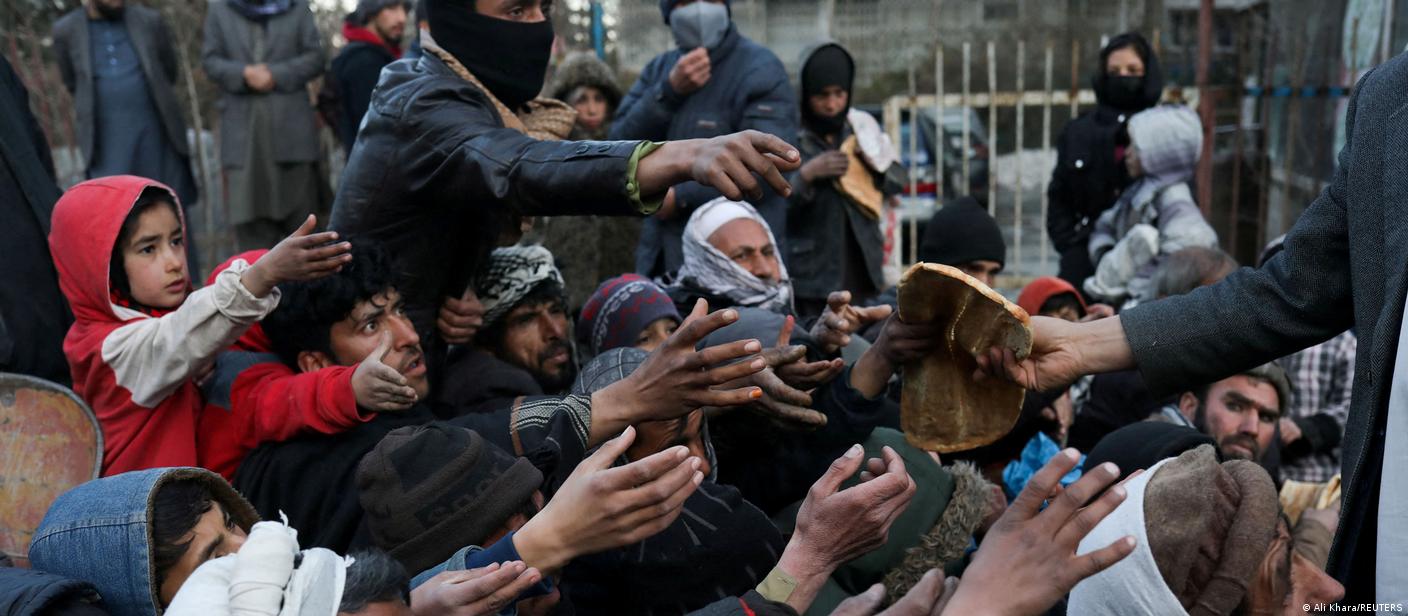

Afghanistan’s humanitarian crisis is worsening as severe international funding shortfalls force aid agencies to scale back food assistance, leaving millions of Afghans at greater risk of hunger, the United Nations and Human Rights Watch (HRW) warned.
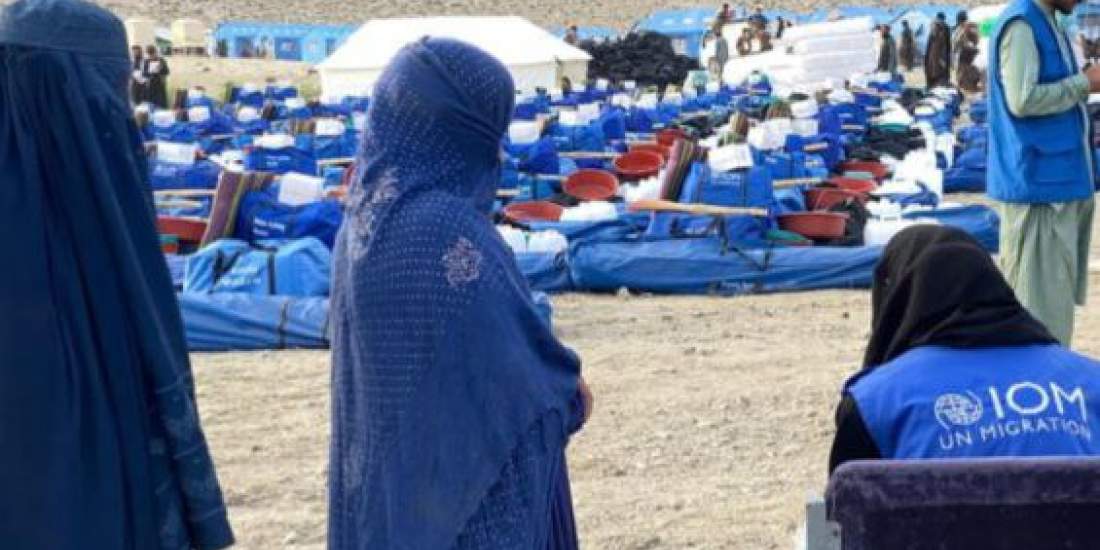
The United Nations estimates that more than 17 million people in Afghanistan will face acute food insecurity this year, while about 22 million people require humanitarian assistance, including food, healthcare and protection services. Women, children, internally displaced people and returning refugees remain among the hardest hit.
The crisis has intensified as humanitarian funding continues to decline. By June, the U.N.’s 2026 Humanitarian Response Plan had received less than 20% of the funding required, forcing humanitarian organizations to reduce or suspend food distributions, healthcare programs and other lifesaving services.
Aid agencies say declining donor contributions—including significant reductions in U.S. humanitarian funding—have severely weakened relief operations at a time when needs continue to grow.
Fereshta Abbasi, Afghanistan researcher at Human Rights Watch, said deteriorating economic conditions are driving many families into extreme hardship. Drawing on interviews conducted across Afghanistan, she described parents unable to provide enough food for their children and households increasingly relying on neighbors for basic meals.
Human Rights Watch also warned that the return of more than five million Afghan migrants from Iran and Pakistan has placed additional pressure on communities already struggling with widespread poverty, prolonged drought, unemployment and overstretched public services.
The organization said restrictions imposed by the Taliban on women working for humanitarian organizations have further complicated aid delivery, particularly for female-headed households that often depend on women aid workers to access food, healthcare and other essential assistance.
Afghanistan remains one of the world’s largest humanitarian emergencies. The country continues to grapple with the combined effects of economic collapse, climate shocks, declining international assistance and restrictions that have weakened public services and humanitarian operations.
The United Nations and humanitarian organizations have repeatedly warned that without urgent new funding, millions more Afghans could lose access to lifesaving food assistance, healthcare and protection services, further deepening hunger and poverty across the country.