WASHINGTON, D.C./BRASILIA: The United States has imposed 25 percent tariffs on many imports from Brazil while granting a broader-than-expected list of exemptions, marking the first use of the Trump administration’s new trade strategy that could eventually be extended to other major trading partners.
The tariffs, announced by the Office of the U.S. Trade Representative (USTR), are due to take effect on July 22. The move follows a Section 301 investigation into what Washington describes as unfair Brazilian trade practices.
The new approach could later be applied to countries including India, China, the European Union, Japan and South Korea as President Donald Trump reshapes U.S. trade policy after the Supreme Court struck down an earlier round of global tariffs.
The announcement follows months of negotiations and more than 30 meetings between U.S. and Brazilian officials after Washington proposed tariffs in June over issues including digital trade and illegal deforestation.
“Extensive negotiations with Brazil over the past year have not resolved these issues, but we remain open to continuing negotiations with Brazil to bring about long-needed changes to the problems identified in this investigation,” U.S. Trade Representative Jamieson Greer said in a statement.
Brazilian President Luiz Inacio Lula da Silva said the tariffs lacked justification and announced Brazil would invoke measures available under its Reciprocity Law while also pursuing the dispute through the World Trade Organization’s dispute settlement mechanism.
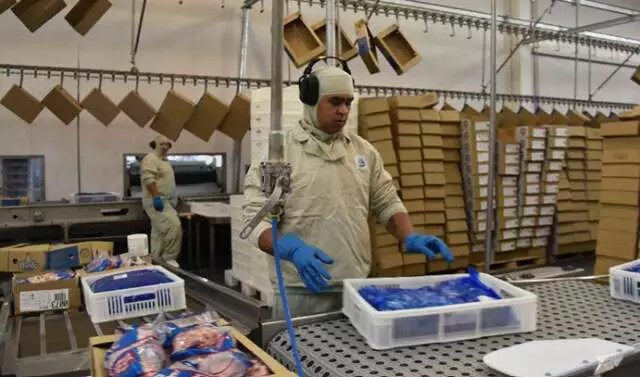
The tariffs apply to thousands of products, including sugar, agricultural machinery, apparel, electrical machinery, paper and steel.
However, the United States also expanded the list of exempted products beyond expectations. The exemptions include beef, coffee, rare earths, energy products, aircraft and aircraft parts, while additional products such as pig iron and unflavored instant coffee were also spared.
The American Chamber of Commerce for Brazil said the revised exemptions increased coverage by 25 percent, accounting for about US$11 billion in annual trade, although it added that Brazil still faces “the most restrictive conditions for access to the U.S. market.”
India, which is also involved in Section 301 trade discussions with Washington, is closely watching developments.
“The Brazil case…is a warning for India,” said Ajay Srivastava, founder of the Global Trade Research Initiative think tank. “It shows that Washington can use trade action not only over tariffs and market access, but also against any policy it sees as unfair to U.S. business.”
Brazil is also part of a separate Section 301 investigation into forced labor in global supply chains. That probe, due to conclude on July 24, could result in an additional 12.5 percent tariff, taking the total tariff burden on Brazilian products to 37.5 percent.